Home › Vape Pens › Click S
Air Bar Click S Pod Capacity and Refilling Explained
Published 2026 · VapeWholesaleHub trade desk
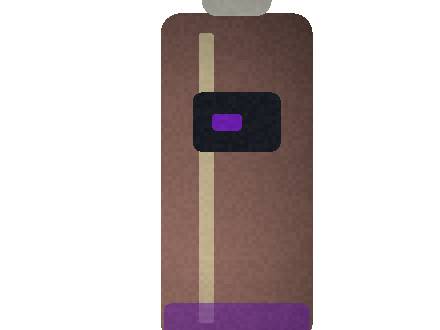
Pod capacity and refill behaviour directly affect how often a Click S customer comes back to the shop.
What follows is a practical view of pod capacity and refilling for the Click S, written for people who place repeat orders rather than one off buys.
A written internal standard for pod capacity and refilling makes onboarding new account managers far quicker and reduces avoidable errors.
Why pod capacity and refilling matters on the Click S
Larger reservoirs reduce refill frequency but can change flavour consistency near the end of a fill.
Cash flow is the quiet constraint behind pod capacity and refilling: the cheapest option is rarely the one that frees the most working capital.
Clear visibility windows help users judge remaining liquid without opening the pod.
Reference specification
| Item | Value |
|---|---|
| Model | Click S |
| Brand | Air Bar |
| Category | Vape Pens |
| Battery | 1100 mAh |
| Output range | 12-30 W |
| Capacity | 5.0 ml |
| Charging | USB-C 1A |
| Coil options | 0.4 / 0.6 ohm |
| Carton quantity | 200 units |
Sealed pods simplify compliance in markets that restrict refillable containers.
Practical notes for buyers
In practice the decision comes down to three numbers: unit cost, freight per unit and the realistic sell through rate for Click S.
Seasonality interacts with pod capacity and refilling more than most forecasts allow for, so a rolling review beats an annual one.
Checklist
- Review the reorder point after one full selling cycle.
- Log sell through by account for the first eight weeks.
- Check carton quantities against the commercial invoice line by line.
- Agree in advance who pays for return freight on a defect claim.
- Record the arrival condition with photographs on the day of delivery.
- Request batch photographs and a packing list prior to shipment.
Commercial terms
Volume commitments work best when they are structured as a rolling target rather than a single fixed number.
Agreeing a defect handling procedure before the first shipment removes emotion from later conversations.
| Volume tier | Indicative unit level | Lead time |
|---|---|---|
| Carton (113 units) | Tier 1 | 7-12 days |
| Pallet (918 units) | Tier 2 | 14-21 days |
| Container (15399 units) | Tier 3 | 21-30 days |
Frequently asked questions
Should a distributor stock refillable or sealed pods for Click S?
Stock both where regulation allows; sealed pods move faster in convenience channels, refillable in specialist shops.
Is documentation provided for customs?
Commercial invoice, packing list and the relevant certificates are supplied; the importer's broker handles the declaration.
How quickly can a repeat order be produced?
For established configurations production typically runs two to four weeks, with transit on top depending on the chosen method.
What happens if a batch fails inspection?
The agreed procedure normally covers replacement of affected units or credit against the next order, documented before shipment.
Final word
Start with one change, measure it over a quarter, then decide whether it deserves to become policy.
Trade enquiry
Quotations, samples and artwork files are available on request. Please state model, quantity per SKU, destination and target delivery window.